Places to visit
The towns and sights of Montenegro, from Herceg Novi at the mouth of the Bay of Kotor to Ulcinj near the Albanian border and Žabljak in the northern mountains. Start here if you are choosing a base or deciding what deserves a day of your trip.
Žabljak: The Base for the North, Summer and Winter
Žabljak, said to be the highest town in the Balkans: where to stay, what to do in summer and winter, the drive from the coast and what it costs.
Where to stay in Montenegro: the resorts compared
Where to stay in Montenegro: 293 km of coast from Herceg Novi to Ulcinj. Where the sand is, which airport is closer and what a summer apartment costs.
Ulcinj and Velika Plaža: The South and Its Dark Grey Sand
Ulcinj and Velika Plaža: thirteen kilometres of dark grey sand, a pirate old town, Ada Bojana, lounger prices and the drive from Bar.
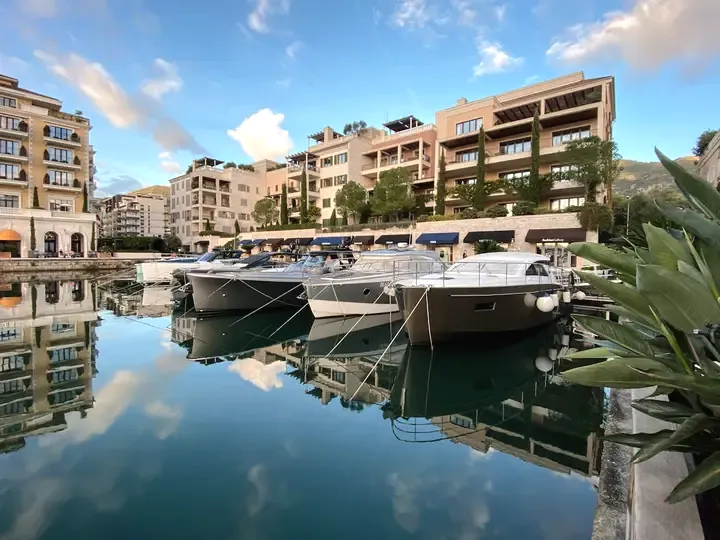
Tivat and Porto Montenegro: Beyond the Yachts
Tivat: the Porto Montenegro marina, the submarine museum, the Luštica peninsula and the beaches. What fills half a day and where to go next.
Podgorica in half a day: is Montenegro's capital worth it?
What to see in Podgorica in half a day: Stara Varoš, the Millennium Bridge, the cathedral and Dajbabe cave monastery. Airport 12 km out, bus into town €3.
Sveti Stefan: Can You Go In, and Where to Shoot From
Sveti Stefan in Montenegro: visiting the island on a guided tour, where the famous view is, what the nearby beaches cost and how to get there.
Stari Bar: €5 entry, opening times, 2,000-year-old olive
Stari Bar, Montenegro: €5 entry, open 8:00–20:00 in summer, hilltop ruins 4–5 km from the sea and a 2,000-year-old olive tree nearby (€2). How to get there.
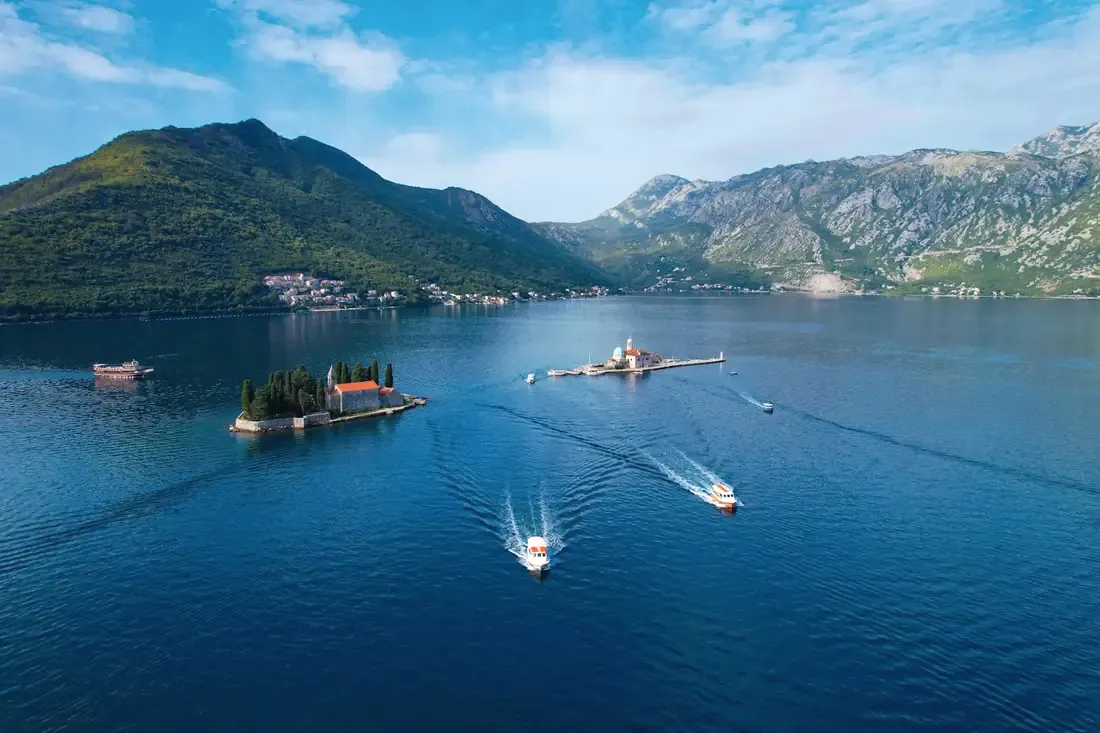
Perast and the Islands: A Town With No Traffic Lights
Perast: sixteen palaces and the islands of Our Lady of the Rocks and St George. Getting there, what the boat costs and when it is quietest.
Njeguši: Ham, Cheese and a Dynasty on the Lovćen Road
The village of Njeguši on the Kotor–Cetinje road: why its pršut is rated the country's best, what to buy, what it costs and how not to pick the wrong leg.
Montenegro's Beaches by Type: Sand, Shingle, Wild
Which beach to pick in Montenegro: sandy, shingle, concrete platforms and coves with no road. Where to park, where it is shallow and what needs a boat.
Luštica and Mamula: beaches, the drive and the island fort
Luštica peninsula and Mamula island: 40 minutes' drive from Tivat, Žanjice and Mirište beaches, boats from €30 and whether you can land on Mamula.
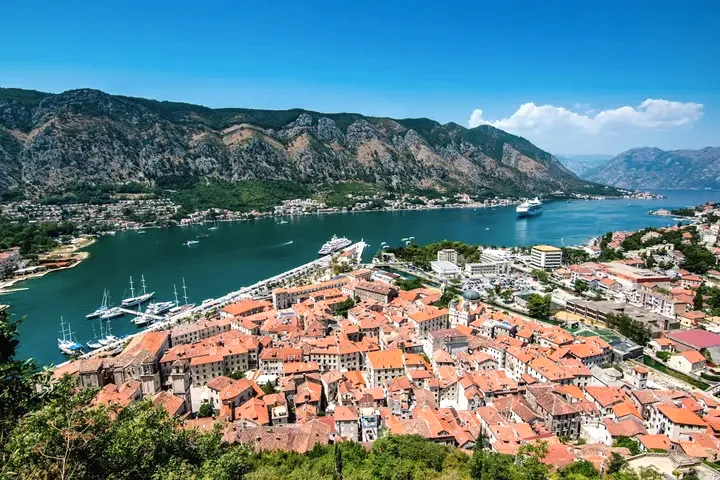
Kotor in a Day: Fortress, Old Town, Parking
What to fit into a day in Kotor: the climb to St John's fortress, the old town, the cathedrals and the cats. Entry prices, parking and when to go up.
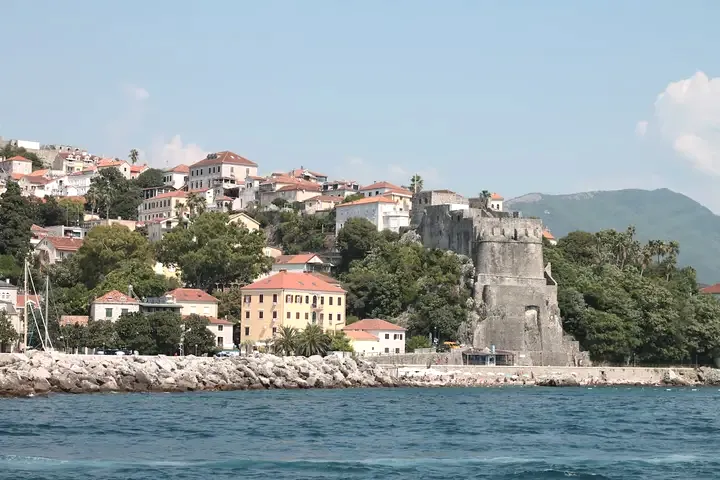
Herceg Novi: The Town of Staircases
Herceg Novi: fortresses, a botanical garden and stairs instead of streets. What to see, where to park and why it works as a base for Croatia and Bosnia.
Cetinje in Half a Day: The Old Capital
What to see in Cetinje: the monastery with the hand of John the Baptist, the embassy palaces and the museums. How long to allow and what is nearby.
Budva Riviera: Bečići, Rafailovići, Pržno and Petrovac
The Budva Riviera runs 18–19 km from Budva to Petrovac. Beach lengths, sand or shingle, distances, transfers and which resort suits whom.
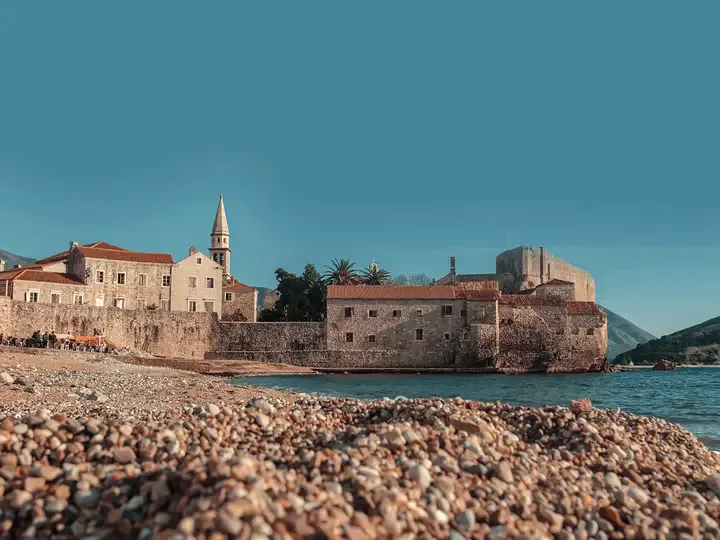
Budva: Old Town, Beaches and Evenings
Budva in a day: the citadel, the old town, Mogren and Jaz beaches. Where to park, what loungers cost and what to do after dark.
Ada Bojana: getting there, parking, beach, kiting, naturism
Ada Bojana, a river island 15 km from Ulcinj: 3 km of sand, a naturist and a regular beach, kitesurfing May to September. Free on foot; parking up to €10 a day.
What to see in Montenegro
Montenegro’s coastline runs for 293 km, from Herceg Novi in the north-west to Ulcinj, the southernmost town in the country, and most of what visitors come for is on the water or close to it. At the northern end is the Bay of Kotor, a UNESCO World Heritage Site since 1979. Kotor has its walled old town and the climb to St John’s fortress; Perast, home to about 240 people, looks across at two islands, Gospa od Škrpjela and St George. Herceg Novi sits at the entrance to the bay, and Tivat, with the airport and the Porto Montenegro marina, on its inner shore.
The middle of the coast is the Budva Riviera: the old town and citadel of Budva, the beach at Bečići, almost two kilometres long, and Sveti Stefan, whose hotel reopened on 1 July 2026. Further south are Stari Bar, a ruined hilltop town with an olive tree more than 2,000 years old, and Ulcinj, where Velika Plaža is the longest beach in the country: 13 km of fine, dark grey sand carried down by the River Bojana. Beyond it lies Ada Bojana, a river island in the Bojana delta with a 3 km beach.
Inland, Cetinje was founded in 1482 and remained the capital for more than four centuries, until 1946; on the road up to it from Kotor is Njeguši, a village at about 900 m that gave its name to the local ham and cheese. The present capital, Podgorica, has the Cathedral of the Resurrection of Christ, the largest Orthodox church in Montenegro, and the cave monastery of Dajbabe on its outskirts. In the mountains, Žabljak stands at 1,456 m: the base for Durmitor in summer and for skiing in winter.
Where to stay in Montenegro
For a first visit without a car, the Budva Riviera is the easiest choice: it is 20 km from Tivat airport, you can walk the seafront, and buses are frequent. Families with small children usually want sand and a beach that shelves gently, which means Bečići or Velika Plaža. Kotor, Perast and Herceg Novi have little sand — you swim from concrete platforms and fine shingle — but they are quieter. The resorts are compared side by side in where to stay in Montenegro, and the beaches in Montenegro’s beaches by type.
Distances are short. Budva to Kotor is 22 km, about half an hour; Budva to Sveti Stefan 9 km; Bar to Ulcinj 27 km. In July and August, allow one and a half to two times as long on the coast. Buses link the coastal towns, but viewpoints, the mountains and the more remote beaches are far easier with a hire car.
Entry prices for the main sights
Kotor’s old town is free to walk into; you pay only to climb the walls to the fortress, €15. Budva’s citadel costs €5, and Stari Bar €5 (€1 for children aged 6–14). A boat from Perast out to Gospa od Škrpjela is about €5 return; landing on St George is not allowed. Mamula, the island fort off the Luštica peninsula, is now a hotel and you cannot land there on your own: most people see it from the water, and any visit is on the hotel’s terms. Prices checked in September 2026.
Common questions
What should I see on a first trip to Montenegro?
The Bay of Kotor with Kotor and Perast, Budva and Sveti Stefan, the old capital Cetinje and the Njegoš Mausoleum on Lovćen. With two more days, head north for the Tara Canyon and Durmitor.
Where is the best place to stay in Montenegro?
Without a car on a first visit, the Budva Riviera: it is 20 km from Tivat airport and well served by buses. With small children, the sandy beaches at Bečići or Velika Plaža; for peace and quiet, Herceg Novi or Perast.
Does Montenegro have sandy beaches?
Yes, though not everywhere: around Kotor, Perast and Herceg Novi you swim from concrete platforms and fine shingle. Velika Plaža near Ulcinj is the longest beach in the country, 13 km of fine dark grey sand, with two sunbeds and an umbrella at €12–20; Bečići on the Budva Riviera is almost two kilometres long.
How much does it cost to climb Kotor’s walls?
€15 for the walls and St John’s fortress. The old town itself is free to enter.