Car hire insurance and deposits in Turkey
Updated:
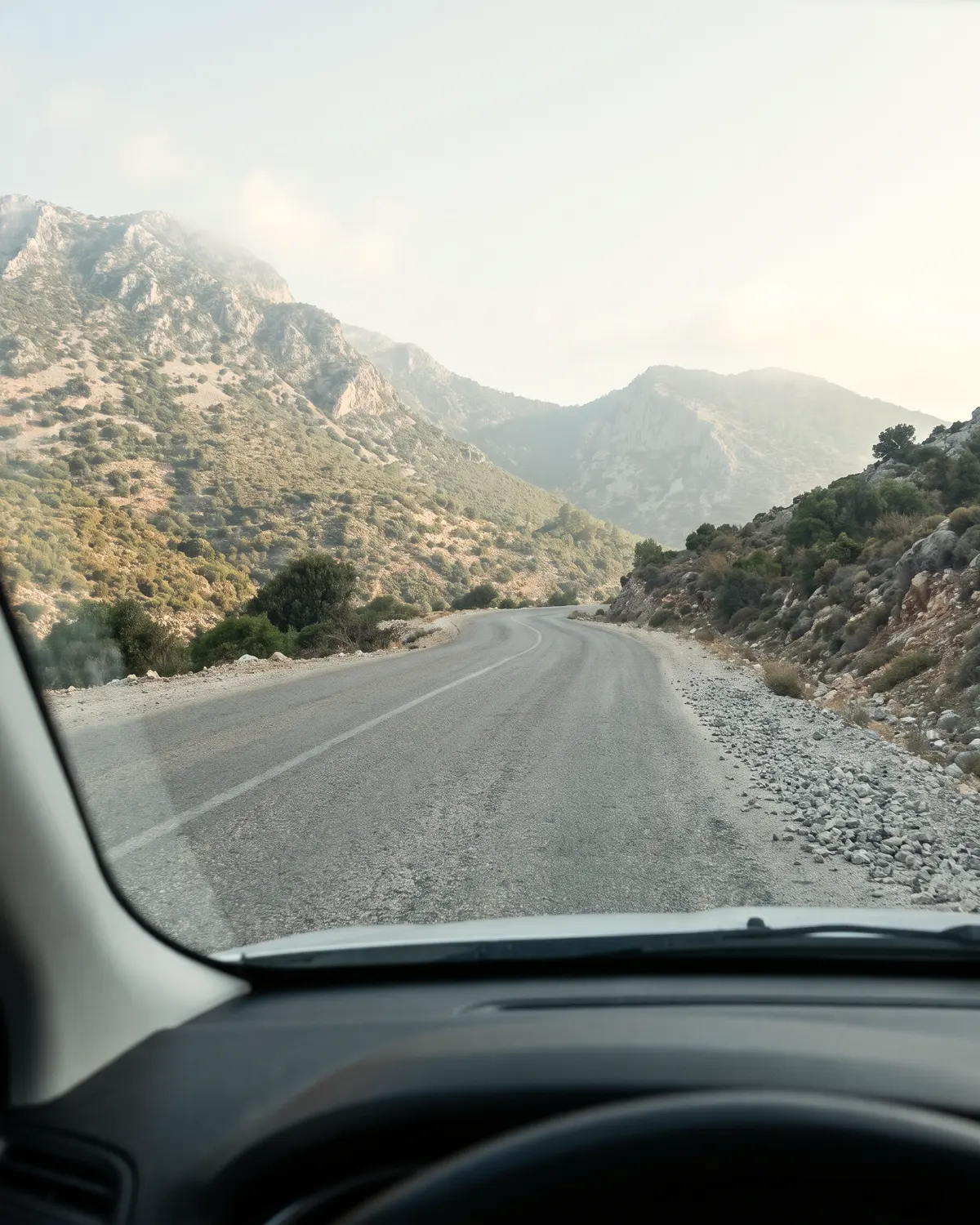 Image generated by AI
This guide was prepared by AI from official sources as of the date shown. Rules change, so check the official website before you travel.
Basic insurance is included in the price of every hire car in Turkey, but standard cover leaves out the wheels, the underside, the windscreen and the interior. If you plan to leave town, the windscreen is the one to think about. It is the part most at risk on country roads, which is why glass cover is recommended as a separate extra.
Deposits average about €300 as of 1 November 2026. Some cars have none, many have one of up to €300, and Fethiye runs higher, usually €400–800, or €200–400 on budget cars. You can pay by card or in cash, depending on the car, and its listing tells you which.
The service comes from independent companies, and you book and pay them directly. That means there is no national figure for the excess, and we do not quote one. Read the terms for the car you are choosing: they show what is included and how much you stand to lose.
What does basic insurance cover in Turkey?
Every car has it, at no extra charge. It only pays out if an incident is reported in the way the terms require, and that procedure is set out further down.
Three lines are worth checking in the price breakdown before you pay:
- Extended cover. Already in the price on some cars, and offered as an extra on others.
- CDW at €0. This means collision damage waiver is already included. It does not mean the car has none.
- Passenger insurance. A separate optional extra.
The excess and the cost of the extras depend on the car and the company. The figure that counts is the one in your contract, however confident someone else’s online review may sound.
What does the insurance not cover?
The rental terms name four areas:
- Wheels. Tyres and rims are your responsibility.
- The underside. A kerb, a rock in the road, a tall speed bump.
- Windscreen. The main risk out of town, thanks to small stones.
- Interior. A burnt seat, stains, broken trim.
The insurance also stops applying in cases of deliberate damage and gross negligence. And you may drive only on paved public roads: off-road driving is forbidden, and hiring a crossover does not change that.
Why glass gets a special mention. Country roads around Antalya are full of small stones, and on the roads to Yalıkavak and Gümüşlük, near Bodrum, rocks fall from the cuttings, which is why extended cover is recommended there. If your route climbs into the mountains, heads for Termessos or follows the hairpin roads around Fethiye, glass cover makes sense. If you are pottering around town and down to the nearest beach, it is your call.
How much deposit will I pay?
These figures come from the offers shown at booking on 1 November 2026:
| Where | No deposit | With a deposit |
|---|---|---|
| Antalya, AYT airport | about a third of cars | about half, up to €300 |
| Most other cities | some cars | many, up to €300 |
| Fethiye | see the car listing | usually €400–800, budget cars €200–400 |
Fethiye stands out from the rest, so if you are collecting there, check your card limit or work out how much cash you need before you travel. If you are flying into Dalaman and heading for Fethiye, about an hour away by road, compare the offers in both places.
How do I pay the deposit?
There are three ways: credit card, debit card or cash. The car’s listing says which it accepts. Cars with no deposit are marked “No deposit”, and on those you pay only for the hire.
If you do not have a suitable card, look for a car that takes the deposit in cash, or one with no deposit at all. The general terms give no time limit for returning a deposit, so ask at pick-up and write down the answer.
What can be taken out of the deposit?
The deposit is there for more than accidents. Everyday road costs come out of it too:
- Toll roads and bridges. Trips logged by the HGS sticker are checked when you return the car and deducted, along with an administration fee. Our guide to toll roads, HGS and fines shows what to expect.
- Fuel. The car goes back with the level it had at pick-up. Any shortfall is charged at the company’s rate, and extra fuel is not refunded.
- Cleaning. If the car is too dirty to inspect, you pay for the wash.
- Fines and parking. These are the hirer’s to pay. Camera fines go to the car’s owner, who then passes them on to you.
How do I protect my deposit at pick-up and return?
Arguments about scratches are settled in the first few minutes of the hire. The routine is simple:
- Inspect the car at pick-up and film it. Walk all the way round, and remember the roof, wheels and glass.
- Check the handover form. Every scratch should be on it. Agents often miss small scratches on bumpers, so photograph everything yourself.
- Take separate photos of the tyres and windscreen. These are the parts the insurance leaves out.
- Photograph the dashboard when you return the car, showing the fuel level and mileage.
- Keep the photos and video until the final settlement, which may come after your holiday ends.
If you are shown new damage at the return, compare it with your footage. Without a record of your own, all you can do is argue.
What should I do after an accident?
The terms are strict here. Tell the company straight away and get a police report. If you do not, the insurance is void and all the liability falls on you.
The emergency number in Turkey is 112, and the company’s contact details are on your voucher. Follow the same procedure for a minor bump in a car park: without the paperwork, even a small knock is entirely your expense.
What should I ask at the desk before signing?
Four questions take a minute and head off most misunderstandings:
- How much is the deposit, and how will it be returned? Write down the answer, and if you pay in cash, get a receipt.
- What is the excess on this car? The figure should be in the contract.
- Is glass cover included? If it is not, ask what the extra costs.
- Is the HGS sticker activated, and what fee is charged for tolls?
When is a no-deposit car worth it?
It suits three situations: you do not have a suitable card, you would rather not leave money with the company, or you are hiring for only a couple of days. Add up the full cost all the same, and remember that wheels and glass remain uncovered.
The car hire in Turkey page is the easiest way to compare offers, and the no-deposit cars are marked there. In Antalya, about a third of cars at the airport come with no deposit. Our guide to hiring a car in Turkey covers the documents you need.
Who can ignore all this?
If you do not plan to go further than the nearest beach, neither extended cover nor the hunt for a no-deposit car will make any difference, because that kind of trip is easier without a car at all. If you are planning two or three drives around town and none in the mountains, at least avoid paying for extras you will not use.
Terms and deposit amounts as of 1 November 2026; they vary between companies. The exact figures are on the car’s listing and in your contract.
Common questions
Is insurance included in the price of car hire in Turkey?
Yes, basic insurance is always included, and some cars already have extended cover in the price. If CDW shows as €0 in the breakdown, it is already included.
What does basic car hire insurance in Turkey not cover?
The wheels, the underside, the windscreen and the interior. Glass cover is recommended for mountain trips, because the roads out of town are full of small stones.
How much is the deposit for a hire car in Turkey?
About €300 on average, as of 1 November 2026. Some cars have no deposit and many have one of up to €300. Fethiye is higher, usually €400–800, or €200–400 on budget cars.
Can I pay the deposit in cash?
On many cars, yes. The car's listing shows how the deposit can be paid: credit card, debit card or cash.
What should I do after an accident in a hire car in Turkey?
Tell the company straight away and get a police report. Without these the insurance is void and all the liability falls on you. The emergency number is 112.